
Navigating the Illinois Probate Process: What to Expect
Losing a loved one is an incredibly emotional experience. Dealing with the legalities of their estate while grieving can feel overwhelming. Understanding the probate process, the legal method of settling a person’s affairs, can help demystify the steps ahead and provide some peace of mind.
At Katzman & Sugden, LLC, our probate attorneys in Belleville, IL help families navigate these complexities so they can focus on what matters most.
What is Probate?
Probate is the court-supervised process used to verify a person’s will and distribute their assets. It typically begins when an estate executor files a case with the court. If your loved one passed away without a will, Illinois state laws (intestacy laws) will determine how the property is distributed.
Key Steps During the Probate Process
While every estate is unique, the court generally requires these specific tasks to be completed:
- Identifying the Executor: The court officially appoints the person in charge of the estate.
- Locating Assets: Finding and valuing everything the deceased owned, from bank accounts to real estate.
- Notifying Heirs and Creditors: Legally informing family members and anyone the deceased owed money to.
- Resolving Debts and Taxes: Using estate funds to pay off valid creditor claims and final tax returns.
- Distribution: Once debts are settled, the remaining assets are given to the heirs as outlined in the will or state law.
Common Challenges and Disputes
Because probate involves finances and family dynamics, it isn’t unusual for complications to arise. Common issues include:
- Will Contests: A party claims the will is invalid due to fraud or lack of mental capacity.
- Breach of Fiduciary Duty: Beneficiaries may file a complaint if they believe the executor is mishandling the estate.
Is it Possible to Avoid Probate?
Yes. In Illinois, probate can sometimes be avoided if:
- The Estate is Small: Very small estates may qualify for a simplified process.
- Living Trusts: Assets held in a trust typically bypass probate entirely.
- Joint Ownership: Property owned jointly with “rights of survivorship” often passes directly to the survivor.
Every Case is Different
Probate laws can be intricate, and the specifics of your case depend on the assets involved and the family’s unique situation. If you have questions about a specific estate or want to learn how to protect your own assets for the future, it is wise to consult an experienced attorney.
Contact Katzman & Sugden, LLC today to discuss your probate or estate concerns with a trusted probate lawyer.
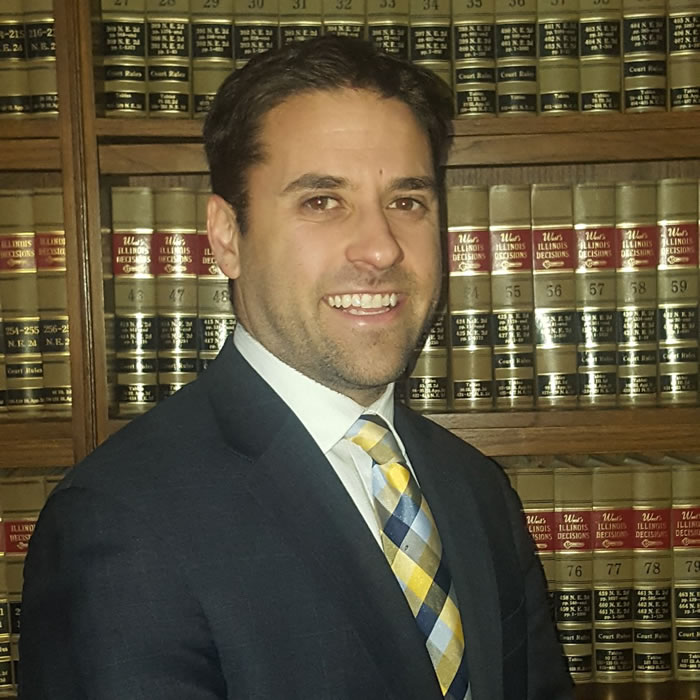
Daniel C. Katzman is a Partner at Katzman & Sugden, LLC and is licensed to practice law in Illinois and Missouri. Daniel was born and raised in Belleville, Illinois where his dad, Steven E. Katzman has had his law office for over 40 years. Daniel joined the law firm of Katzman & Sugden, LLC after receiving his J.D. from St. Louis University School of Law in 2011, where he earned certificates in Health Law and Employment Law. Prior to that, he received his undergraduate degree in Health: Science, Society & Policy from Brandeis University in Waltham, Massachusetts. Combining his background in health policy and law, Daniel focuses his practice on assisting clients who have been injured through no fault of their own. He is admitted to practice law in Illinois, Missouri, the United States District Court for the Southern District of Illinois, and the United States District Court for the Eastern District of Missouri.